HomeWedding Rituals
RITUALS, TRADITIONS AND CUSTOMS
Twelve rituals, each with symbolic, philosophical and spiritual meaning, explained in English and followed by Sanskrit hymns and mantras.
The Traditional Jain wedding ceremony is a religious ritual solemnised in accordance with Jain scriptures. Each rite carries symbolic, philosophical and spiritual meaning, and the order of them is not decorative. What follows is every rite in the order it is conducted, with what it is actually asking for said plainly beside it.
The ceremony, ritual by ritual
Twelve rites. Choose any one to read what it means.
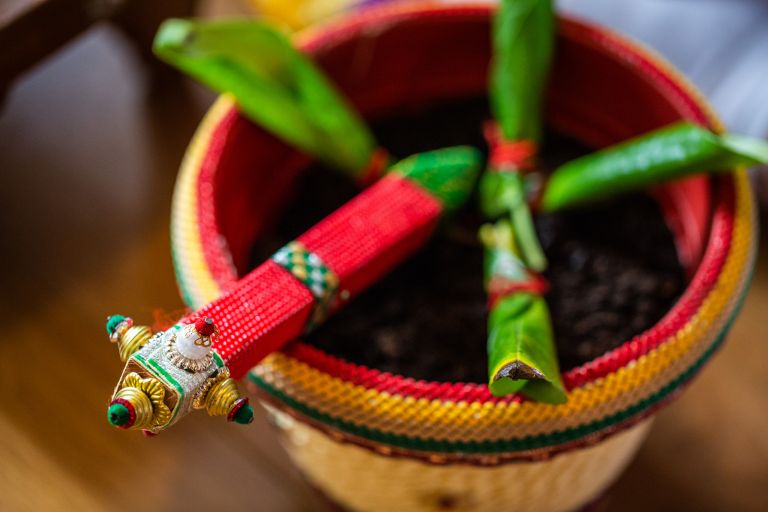
The groom and his family arrive and are received at the door. Nothing has formally begun yet, and that is deliberate. Two households meet as families first, before either becomes anything else to the other.
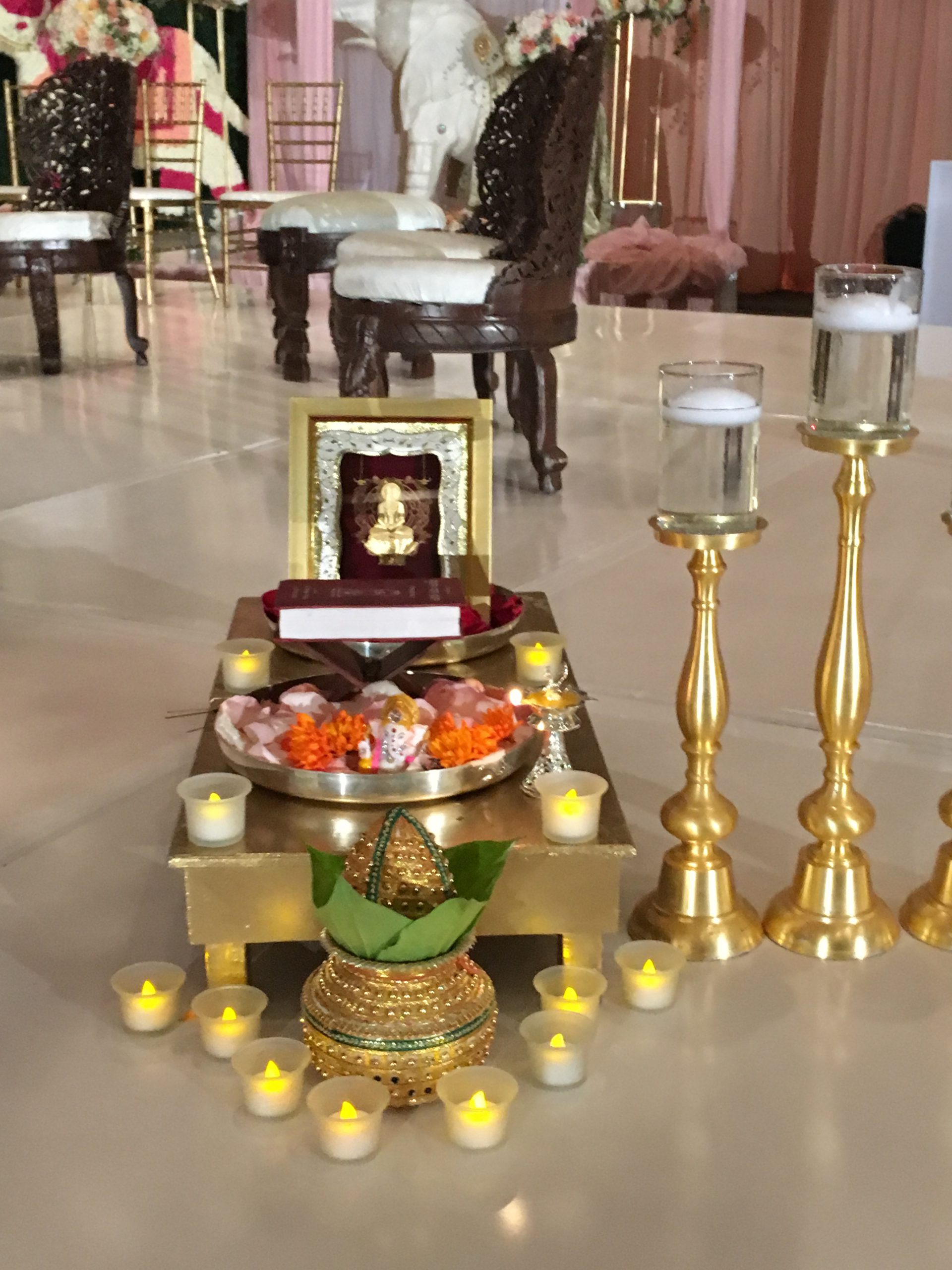
The opening invocation. The Navkar Mantra is recited, which belongs to no single person and asks nothing for itself. Everything that follows is built on top of it.
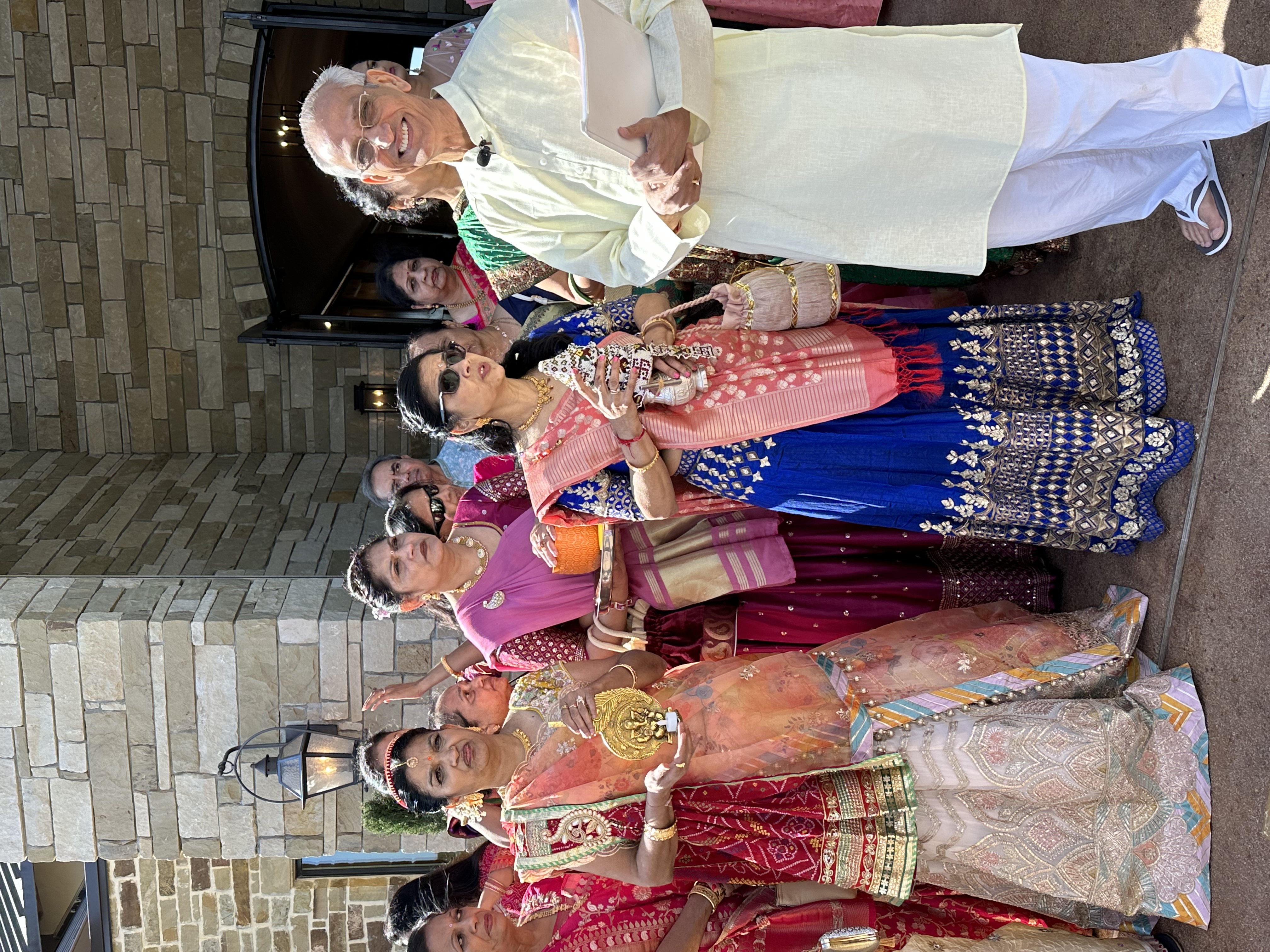
The bride's mother marks the groom's forehead and welcomes him in. A small act, and the first time the two households formally accept one another in front of witnesses.
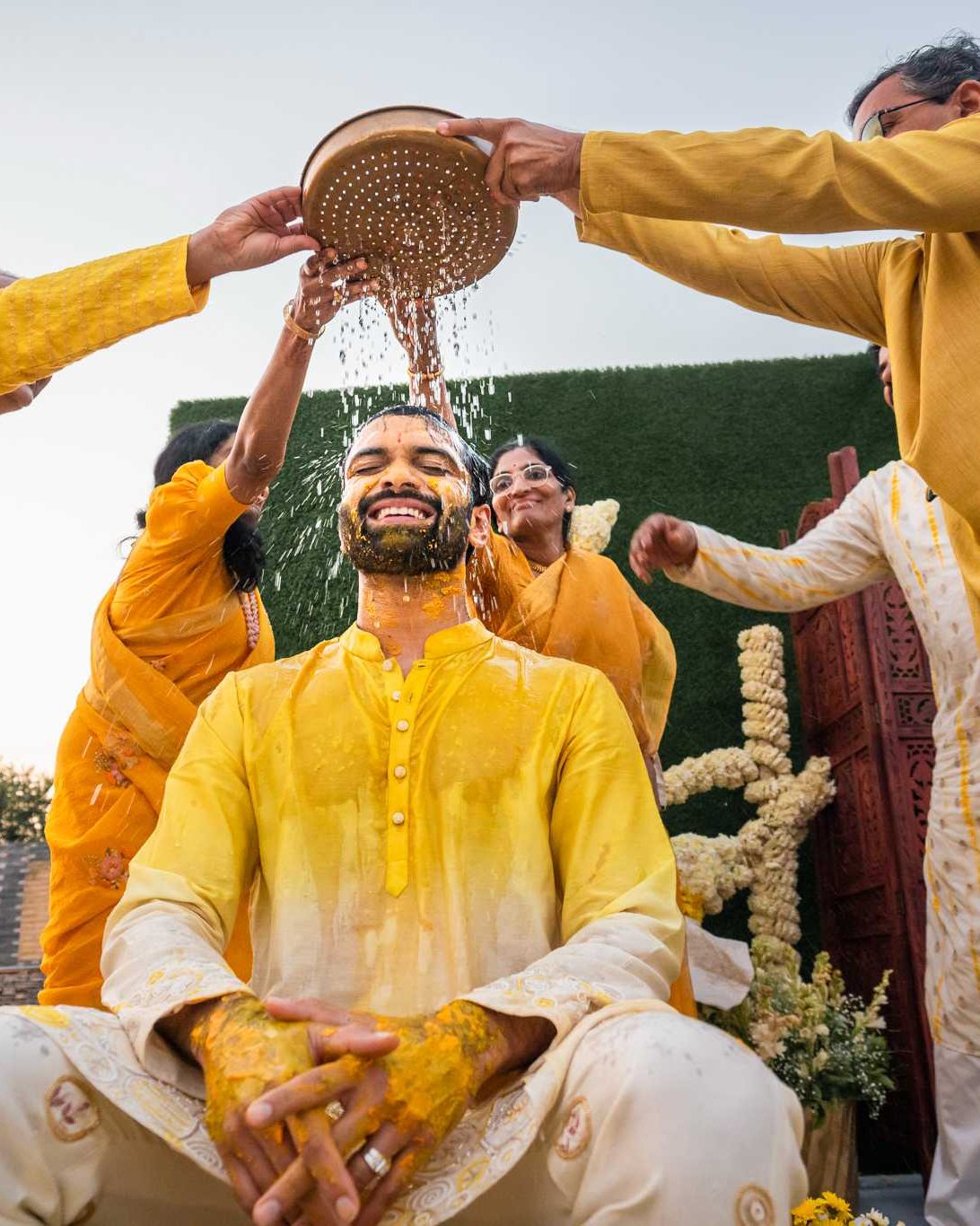
Reverence is offered to the nine grahas and the ten dikpals, so the ceremony is placed inside something older and larger than the couple standing in it.
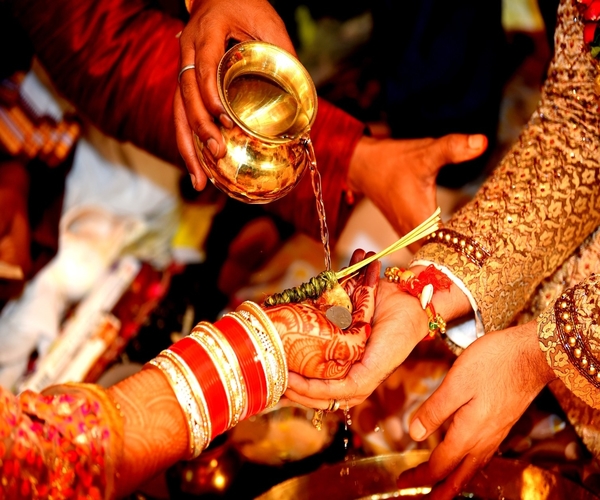
A cloth is held between them and then lowered. They see each other for the first time as two people about to be married rather than two people who are not. Everyone in the room feels the moment change.
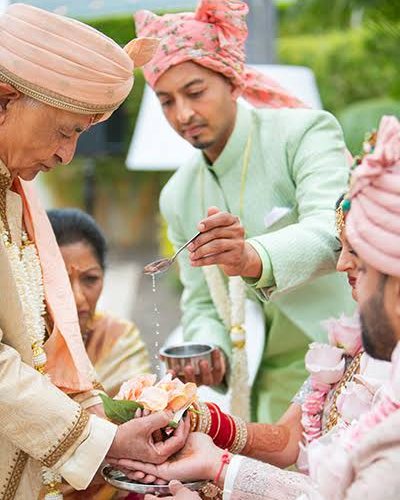
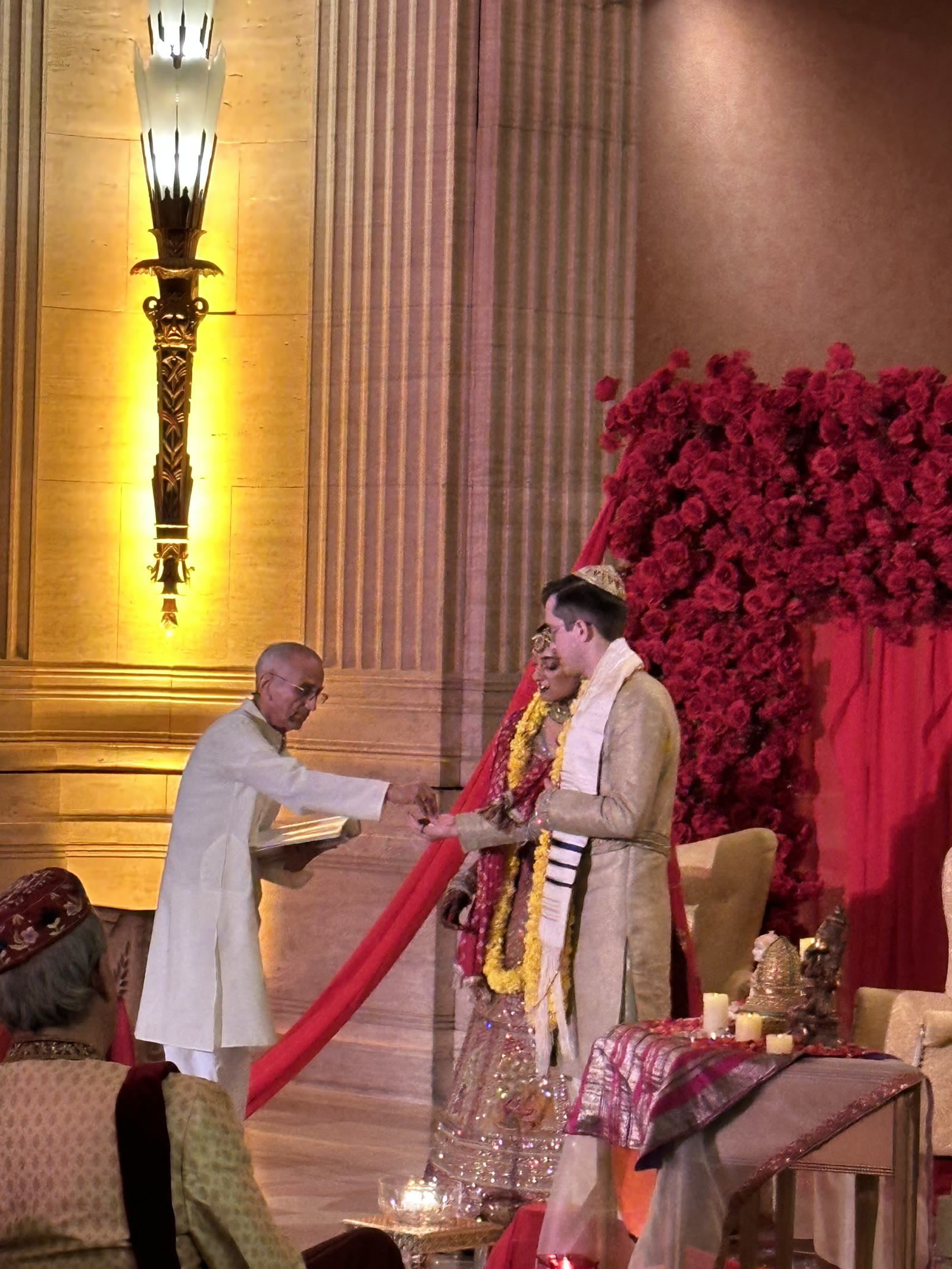
The parents place their daughter's hand into the groom's. This is the rite most often performed without explanation, and it is the one families most often thank me for explaining.
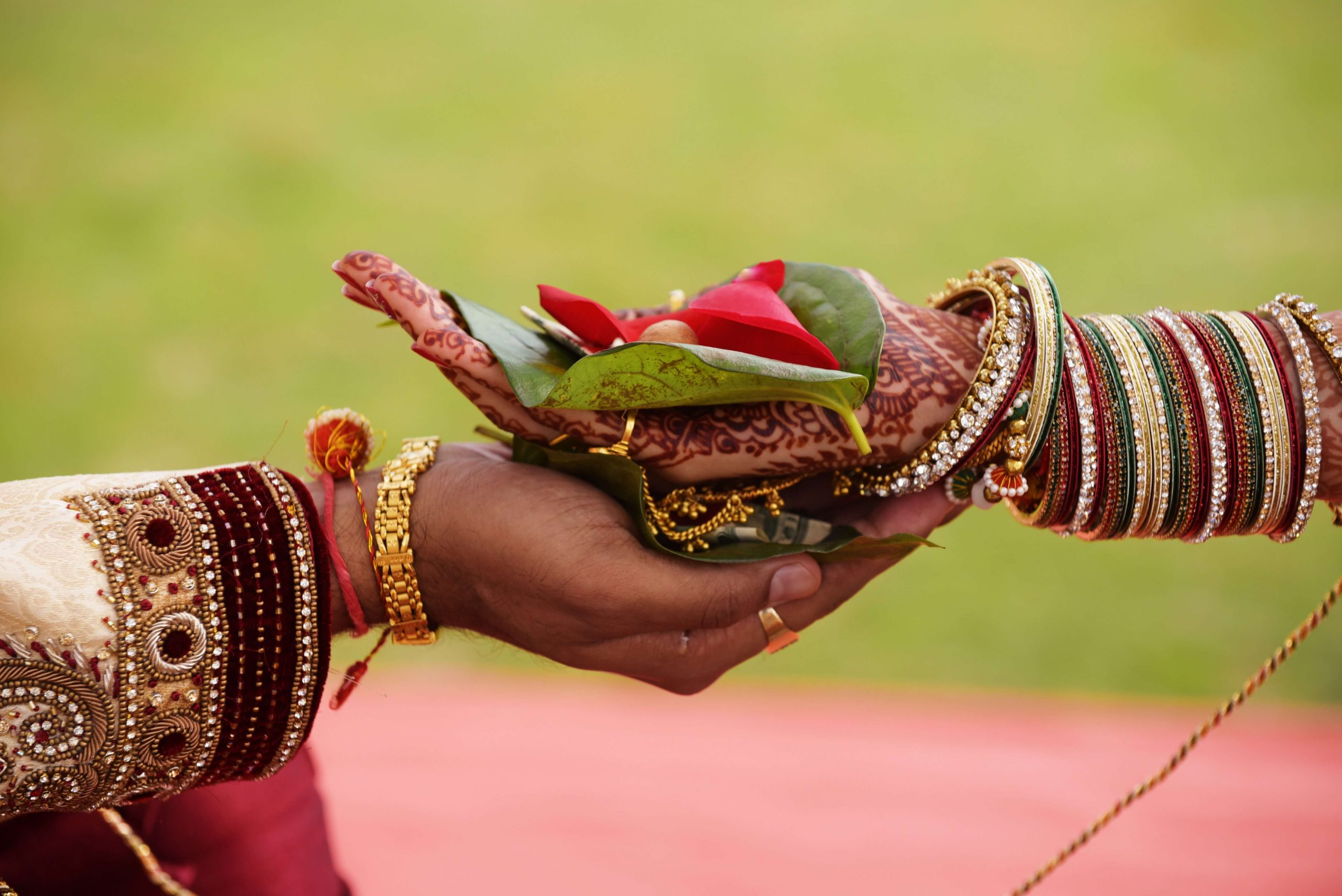
The ends of their garments are tied together. From this point the two of them move as one, physically, in front of everybody, and the knot is not undone for the rest of the ceremony.
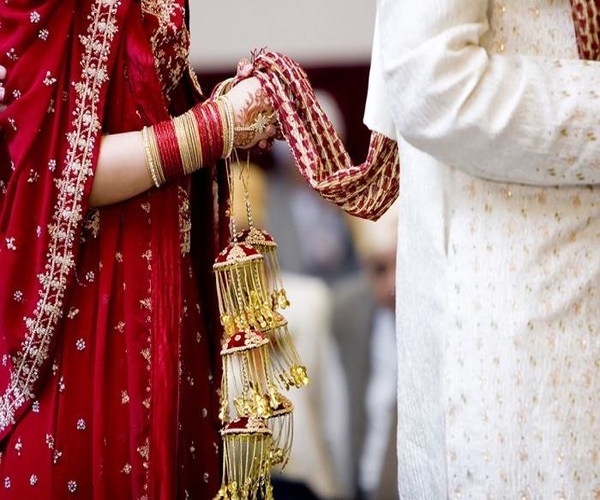
Garlands are exchanged and hands are joined. Each of them chooses and places the garland freely, which matters a great deal more than it appears to.
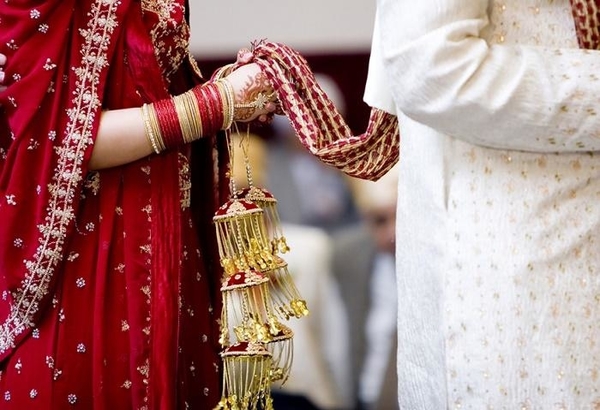
The heart of a Jain wedding. The couple circles the sacred fire, and each round carries its own promise about how they will live, what they will build, and what they will refuse to do to one another.
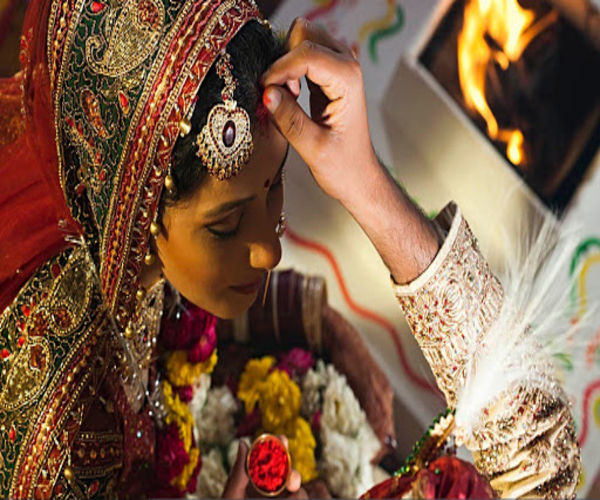
The visible marks of the marriage are given. From here it is no longer a private understanding between two people. It is a public fact, and the community that witnessed it now shares responsibility for it.
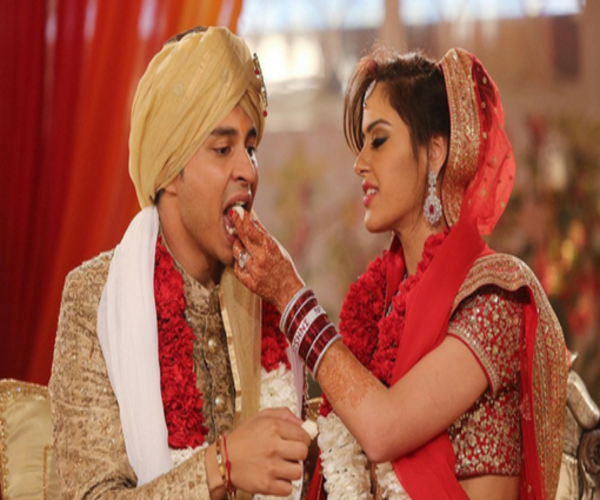
They eat together for the first time as a married couple. Feeding each other is the plainest promise in the whole ceremony, and the one that will be kept most often, on ordinary days, when nobody is watching.
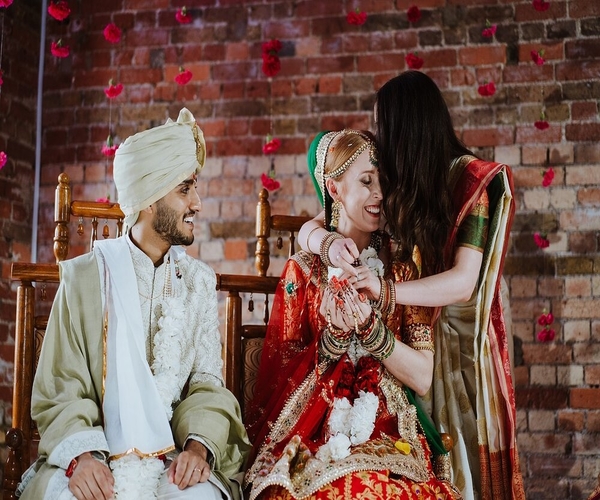
The married women of both families bless the bride and offer counsel. The ceremony ends with the people who have already lived it, which is the right place for it to end.
A SERVICE TO OUR KIDS AND COMMUNITY
We offer Jain wedding services as a blessing and to maintain traditions and values of Jain weddings.
Where to go next
Every part of this site connects to the others. These are the doors people use most.
- THE GALLERYPhotographs and filmsPhotographs and short films from ceremonies across North America, shared by the families themselves. Swipe the reel, or open any one of them full size.See the gallery
- BEYOND THE WEDDINGPoojans and ritualsFourteen ceremonies performed for sanghs, societies, private homes and businesses across the continent. Siddha Chakra, Bhaktamer, Panch Kalyanak and more, each with what it is for and how long it runs.See every poojan
- THE VIDHIKARAbout AshokAn ordained Jain Vidhikar and a Certified Financial Planner, in the United States since 1987. Weddings are offered as grace rather than as a business, which is why the first conversation costs nothing.More about Ashok
णमो अरिहंताणं
I BOW TO THE ENLIGHTENED ONES
Or simply send the date, and we will begin from there.
Tell me your date